
The famous one
Dolly Sods Wilderness
A two- or three-night loop through the Sods: Red Creek, the open heath, Bear Rocks, and back over Blackbird Knob. Exposed, beautiful and navigationally demanding.
Full guide to Dolly Sods Wilderness →Dolly Sods, Otter Creek, Cranberry, Roaring Plains and Laurel Fork are the wilderness areas that define West Virginia backpacking. The Allegheny Trail runs roughly 300 miles north to south under the stewardship of the West Virginia Scenic Trails Association, and the Appalachian Trail crosses the Eastern Panhandle at Harpers Ferry.
Dolly Sods is the most requested backpacking destination in the state. Otter Creek offers comparable terrain with lower visitation, though it involves repeated unbridged crossings of Otter Creek.
Dispersed camping is permitted across most of the Monongahela National Forest, which is unusual for an eastern forest, and the foundation of backpacking here.
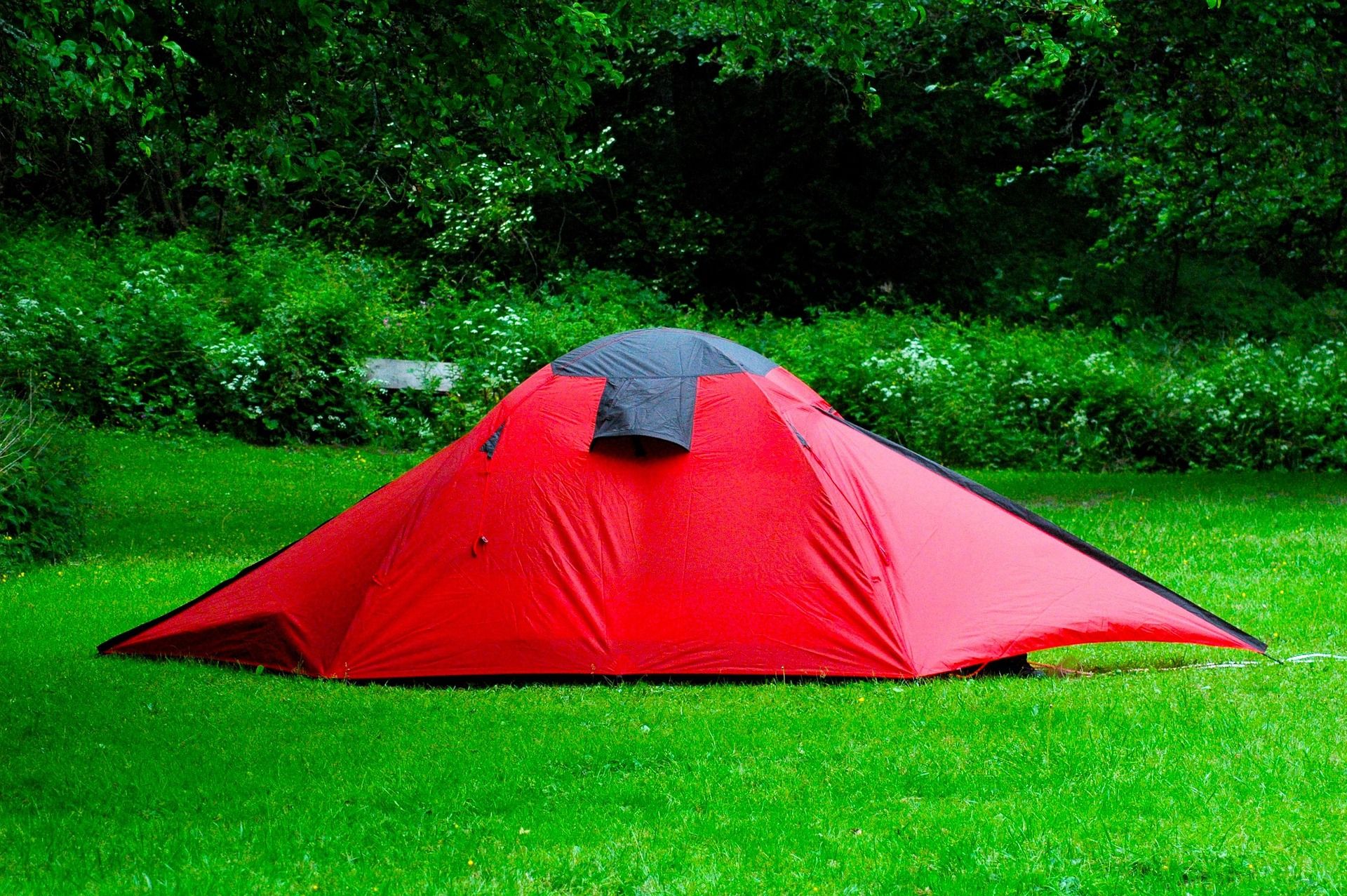
A two- or three-night loop through the Sods: Red Creek, the open heath, Bear Rocks, and back over Blackbird Knob. Exposed, beautiful and navigationally demanding.
Full guide to Dolly Sods Wilderness →Otter Creek Wilderness. Deep woods, moss, rhododendron tunnels and a creek you'll cross repeatedly. Enclosed rather than exposed, which is much more forgiving in bad weather.
Full guide to Otter Creek Wilderness →North Fork Mountain. Twenty-four miles of ridge through one of the driest mountains in the East, with quartzite outcrops over Germany Valley the whole way.
Full guide to North Fork Mountain Trail →North Fork Mountain has essentially no water on the ridge. People underestimate this every year and end up making long, steep, unplanned descents to springs. Carry it all, or cache it.
All terrain in West Virginia above 4,000 feet lies in this region, including Spruce Knob at 4,863 feet.
Rail-trails, limestone caves, gentle river paddlingThe Greenbrier Valley sits on Greenbrier limestone, producing karst topography: sinkholes, springs, sinking streams and extensive cave systems, several with more than forty miles of surveyed passage.
Appalachian Trail, warm rivers, limestone streamsThe Appalachian Trail crosses the Potomac at Harpers Ferry and runs roughly 24 miles through this region.
47,815 acres of second-growth northern hardwood and red spruce on the high plateau — the largest wilderness in West Virginia.
A 17,371-acre federally designated wilderness on a plateau largely above 4,000 feet, containing wind-flagged red spruce, heath barrens, sphagnum bog and exposed rock.
At 4,863 feet, the highest point in West Virginia and the high point of the entire Allegheny range.
A network of trails below Spruce Knob following Seneca Creek through spruce and northern hardwood to a series of waterfalls, the largest around 20 feet.
About 20,000 acres of dense second-growth forest in a bowl between Shavers Mountain and McGowan Mountain, drained by Otter Creek.
A 24-mile ridge trail along one of the driest mountains in the eastern United States, running through pine and oak with repeated Tuscarora quartzite outcrops looking down into Germany Valley and across at Seneca Rocks.
Two adjacent wilderness units, North and South, totaling around 12,000 acres along Laurel Fork — a beaver-worked stream valley with meadows, spruce and one of the quietest backpacking experiences in the state.
Where the Shenandoah meets the Potomac and three states meet at once, with the Appalachian Trail running straight through town and the Appalachian Trail Conservancy headquartered a block off Washington Street.
Nearly 23,000 acres on Sleepy Creek Mountain — the largest WMA in the Eastern Panhandle, with a 205-acre lake, primitive camping, hunting, and a long ridge trail system.
An undeveloped forest adjoining Watoga State Park to the south, with no facilities and minimal trail marking.
6,792 acres of high plateau immediately south of Dolly Sods, running from 3,000 feet on the southern edge to over 4,700 feet at the top of Mount Porte Crayon.
The plateau between Davis and Canaan Valley, from 3,100 to 4,145 feet, built around the eight-mile Plantation Trail with a dozen short connectors hanging off it.
West Virginia's long-distance footpath, running the length of the state's mountain backbone from Virginia to Pennsylvania.
Eight and a half miles along the Bluestone River between Pipestem Resort State Park and Bluestone State Park, following the line of an old turnpike through the gorge.
Heath barrens, sphagnum bog, wind-flagged spruce and tannin-dark creeks on a plateau above 4,000 feet.
2 days · May–SepThe closest real outdoors to Washington and Baltimore: warm rivers, the Appalachian Trail, and a spa town to finish in.
Reserved for a West Virginia operator serving this activity. The listings above and below it are unpaid.
List your business hereGroups that handle access, maintenance, licensing and conditions data for this activity. Starred entries publish updates worth following.
Every organization we link to: local tourism offices, the state and federal agencies that manage the land, the nonprofits and clubs that keep access open, and the universities doing the research.
West Virginia has roughly 1.5 million acres of public land and a handful of places that carry almost all of the attention. The consequence is that a great deal of very good ground sits nearly empty, usually for one of three reasons: nobody has heard of it, the road in is gated or rough, or it is undeveloped and has nothing to advertise. Those are the places below — of them across regions.